

When shopping for a mini excavator, you keep specs like horsepower, dig depth and cycle times at the forefront of your search parameters. But performance only matters if your crew stays safe. A single operator injury can exceed the cost of your equipment by halting production, triggering OSHA fines and driving up insurance premiums.
Protecting your crew also safeguards your business. Quality mini excavators combine built-in protective systems with modern technology that actively prevents accidents. This guide breaks down the criteria you need to evaluate mini excavator safety features. You’ll learn how to inspect used equipment and choose a partner that keeps your fleet operating safely for the long haul.
Your safety evaluation starts before you visit a dealer or inspect a machine. Understanding manufacturer specifications, capacity ratings and the differences between new and used equipment sets the foundation for a smart purchasing decision.
Begin by comparing manufacturer specifications across brands and models. Safety certifications, protective structures and technology packages vary significantly between manufacturers.
Review technical manuals and guides to understand which safety features to look for in a mini excavator. Some come standard, while others are optional upgrades. This research helps you identify which models meet your baseline safety requirements before you narrow your search.
A mini excavator’s weight, operating capacity and lift specifications determine whether it can handle jobsite conditions without tipping or overloading. A machine that’s too small forces operators to push beyond safe limits, while an oversized unit creates unnecessary blind spots.
Understanding the different types and sizes of excavators helps you match your project requirements with the equipment class.
The decision between new and used shapes your entire safety evaluation process. Investing in new mini excavators gives you current safety certifications and the latest protective technology.
Used equipment can deliver excellent cost-efficiency — it just requires thorough inspection to verify that safety-critical components and systems work properly. Either path can lead to a safe machine if you verify the functionality of all protective features.
After narrowing down machine size and type, examine the built-in mini excavator operator safety features that protect workers from the most severe jobsite hazards. These systems form your first line of defense and must meet specific federal standards.
Protective structures handle impacts and rollovers. Preventing accidents in the first place requires active safety technology.
Beyond structural protection, modern mini excavators include active safety features that help operators avoid accidents before they happen. These technologies address the reality that human error and environmental factors cause many equipment-related injuries.
Zero-tail-swing models keep the counterweight within the machine’s track width during rotation. The design eliminates the risk of striking workers or structures positioned behind the cab. It’s critical for urban jobsites, utility work and any environment where you’re operating near walls or congested work areas. The reduced swing radius prevents struck-by incidents in tight quarters.
Limited visibility around equipment partly contributes to struck-by injuries on construction sites. A 360-degree camera system eliminates blind spots around the machine, letting operators see more when swinging the boom or backing up. Proximity alarms add an audible warning when the machine detects nearby workers. Some of these features will become standard as construction equipment technology advances.
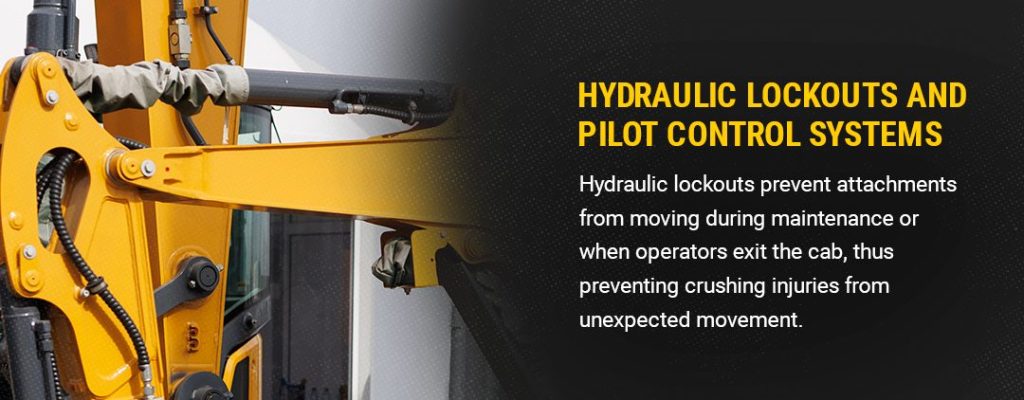
Hydraulic lockouts prevent attachments from moving during maintenance or when operators exit the cab, thus preventing crushing injuries from unexpected movement. Pilot control systems also reduce jerky movements through proportional operation, giving operators precise control over bucket and arm positioning. Plus, automatic shutdown features prevent runaway equipment if an operator becomes incapacitated or needs to exit quickly.
If you’re considering used equipment to save on up-front costs, your inspection process must be thorough. When inspecting a mini excavator for safety, use this detailed checklist to verify the protective systems work as intended.
Walk around the entire machine before starting it.
Don’t take the seller’s word that everything works — test it yourself.
Documentation tells you how the machine’s previous owners treated it throughout its working life.
A quality model gives you a foundation, but evaluating safety goes beyond the initial purchase. It requires you to verify used equipment features and learn how to keep those systems performing through proper maintenance and correct attachment procedures.
Attachments that don’t match the machine’s capacity or specifications can fail catastrophically. The National Institute for Occupational Safety and Health has documented multiple cases of fatalities caused by improperly attached buckets and incompatible attachments on construction sites. Always verify that you’re using properly rated attachments and having trained personnel install them.
Maintenance and repair decisions also impact safety. While you may initially save money by buying aftermarket parts, they might not meet the engineering standards that genuine OEM components provide for critical systems. A failed hydraulic line or brake component puts operators at risk. Following your manufacturer’s equipment replacement and maintenance schedule with quality parts is an investment, not an expense.
Now that you know which safety features to look for in mini excavators, you need a partner who understands that a machine is only as reliable as the support behind it. When you work with us at Gregory Poole Equipment Company, you’ll gain access to dedicated teams who will help you keep your equipment operating safely and efficiently.
For over 70 years, we’ve been the trusted Cat® dealer for eastern North Carolina. We offer new and certified used mini excavators backed by genuine parts, experienced technicians and flexible financing options. Caterpillar is a wise choice, whether you select new or used. Contact our team or explore financing options to get started.