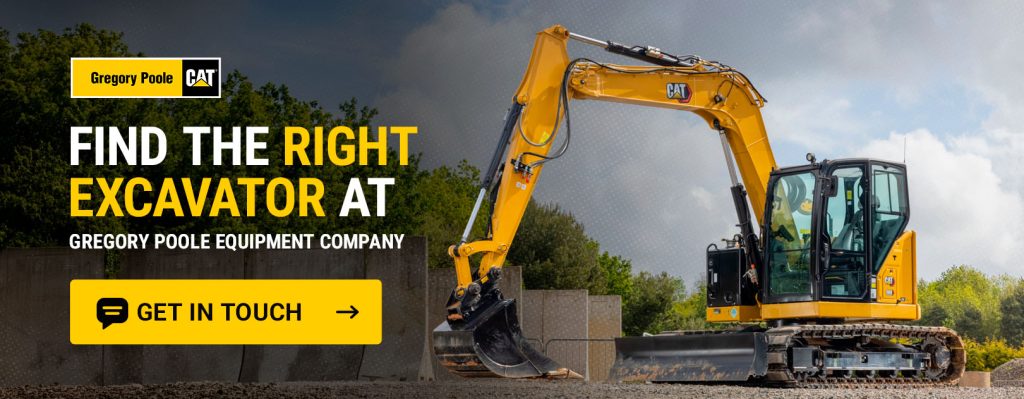


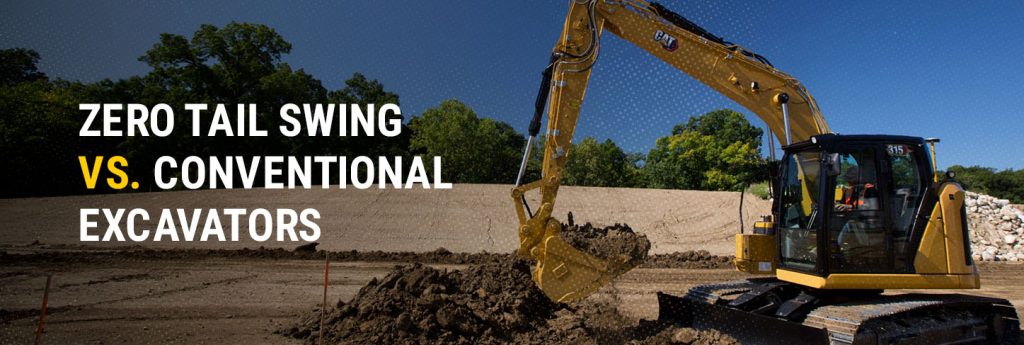
Elegir la configuración adecuada de la excavadora va más allá de conocer la potencia o el tamaño de la cuchara adecuados: se trata de adaptar el radio de giro de la máquina a tu entorno de trabajo. Las excavadoras de giro cero y las convencionales gestionan el giro de forma diferente. Adaptar el diseño adecuado a las condiciones de tu obra garantiza un funcionamiento fluido cerca de estructuras y maximiza la productividad en terrenos abiertos.
Tanto si trabajas en pasillos residenciales estrechos como si gestionas trabajos de movimiento de tierras a gran escala en obras al aire libre, conocer el rendimiento de cada configuración te ayudará a elegir la más adecuada para tu operación. En Gregory Poole, ayudamos a los contratistas y gestores de flotas de todo el este de Carolina del Norte a seleccionar la máquina Cat® más adecuada para el trabajo que deben realizar.
Las excavadoras de giro cero y las convencionales se diferencian en la posición del contrapeso y en la distancia a la que la estructura superior sobresale de las orugas durante la rotación.
Las máquinas con giro de cola cero están diseñadas de tal forma que la parte superior de la máquina giradentro delas orugaso en el anchode estas, manteniendo el contrapeso dentro de la huella de las orugas durante todo el ciclo de giro. Las excavadoras convencionales utilizan un contrapeso más grande que se desplaza considerablemente más allá de las orugas cuando gira la parte superior de la máquina.
Las excavadoras con giro de cola cero son la opción ideal cuando el espacio es reducido y el radio de giro afecta a tu eficiencia.
Los espacios reducidos, como los patios traseros vallados de las viviendas y los callejones estrechos, son ejemplos perfectos para el uso de excavadoras sin giro trasero. Todos estos espacios tienen un espacio libre limitado al menos en uno de los lados de la máquina, por lo que la excavadora debe girar sin que el contrapeso choque contra los obstáculos cercanos.
Una excavadora de giro cero puede facilitar mucho estos trabajos, ya que permite colocar la máquina pegada a una valla o al límite de una propiedad y, aun así, girar la pluma una vuelta completa sin necesidad de cambiar de posición. Si estás excavando junto a una carretera o realizando trabajos de servicios públicos en una zona con tráfico, este tipo de excavadora también resulta más segura, ya que no se desvía hacia los carriles adyacentes ni se acerca a los vehículos que circulan por allí.
Una excavadora con giro de cola cero puede ayudarte a evitar el contacto con edificios, muros de contención, vallas, barreras de tráfico o marcadores de servicios públicos enterrados. El radio reducido del contrapeso de la excavadora hace que sea menos probable que se produzcan daños materiales al trabajar cerca de edificios y otros obstáculos. Además de beneficiar a tu productividad, esta capacidad también puede ayudar a evitar incidentes de seguridad o reclamaciones por daños.
Si sueles trabajar a pocos pies de estructuras, vehículos aparcados o instalaciones de servicios públicos en funcionamiento, unaminiexcavadora de radio de giro compactote ofrece la seguridad que necesitas en cuanto al espacio libre para trabajar sin tener que cambiar constantemente de posición ni gestionar riesgos.
Las máquinas con giro de cola convencional son la mejor opción cuando se trabaja en espacios abiertos o se necesitan levantar cargas más pesadas.
Las excavadoras convencionales resultan muy útiles en grandes obras a cielo abierto, proyectos de desbroce de terrenos, la carga de camiones en canteras y la nivelación de terrenos agrícolas. Si trabajas en una obra en la que la única función de la máquina es cargar camiones y mover tierra, una excavadora convencional te ofrece mayor flexibilidad en cuanto a potencia y manejo. Cuando la obra te permite girar libremente, puedes exigirle más a la máquina sin tener que preocuparte por el espacio libre en cada giro.
Las máquinas convencionales también son ideales para levantar cargas pesadas, excavar en pendientes o trabajar en terrenos irregulares donde se necesita estabilidad. La posición adelantada del contrapeso detrás de las orugas crea un efecto de palanca adicional, lo que se convierte en una ventaja en lugar de un inconveniente cuando no hay obstáculos que limiten el movimiento.
El contrapeso de una máquina convencional se extiende más allá de las orugas, lo que proporciona mayor efecto palanca y contrapeso para levantar cargas pesadas y trabajar en pendientes pronunciadas. Las excavadoras convencionales con giro trasero pueden alcanzar una mayor profundidad máxima de excavación y un mayor alcance a la hora de levantar cargas pesadas o excavar con una cuchara de mayor tamaño. Las máquinas con giro trasero nulo sacrifican parte de la masa y la posición del contrapeso a cambio de un diseño más compacto, lo quepuede reducir la capacidad máxima de elevacióny afectar a la estabilidad en pendientes.
Si tu trabajo implica habitualmente levantar materiales pesados, trabajar en pendientes o excavar a la máxima profundidad, la configuración convencional te ofrece la ventaja del contrapeso que necesitas para hacer frente a esas condiciones exigentes de forma segura.
A la hora de comparar las excavadoras de giro cero con las convencionales, ten en cuenta estas diferencias de rendimiento para elegir la configuración más adecuada para tu trabajo:
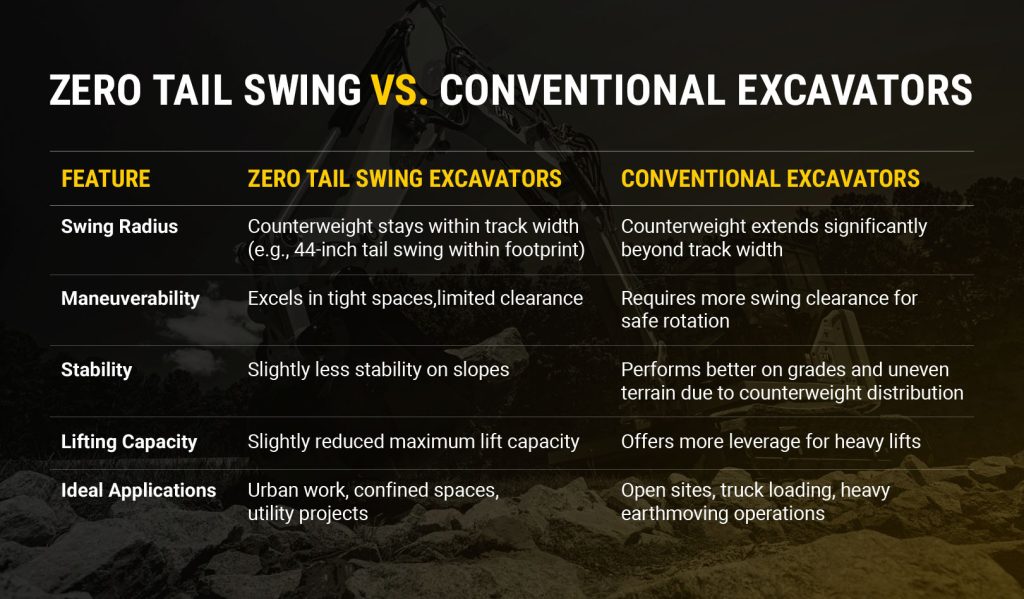
Comprender estas relaciones te ayuda a adaptar la configuración de la máquina al trabajo que realmente estás realizando. Si deseas más información sobre cómo las configuraciones de las excavadoras afectan al rendimiento en diferentes aplicaciones,nuestra guía de maquinaria ofrecedetalles adicionales.
La configuración adecuada de la excavadora depende de tu entorno de trabajo y de las exigencias de la tarea. Si trabajas cerca de estructuras, del tráfico o de límites de propiedad donde el espacio de giro es limitado, la excavadora con giro cero es la opción adecuada. Si trabajas en pendientes, levantas materiales pesados o excavas a máxima profundidad con frecuencia, las máquinas convencionales te ofrecen la ventaja del contrapeso para una mayor estabilidad y fuerza de palanca. Cuando alternes entre condiciones de espacio reducido y de obra abierta, elige una excavadora que se adapte al entorno de trabajo en el que te encuentres con mayor frecuencia.
La gama Cat CR (Compact Radius) de Gregory Poole está diseñada específicamente para operadores que necesitan un radio de giro trasero nulo o reducido sin renunciar a la fiabilidad y la calidad de fabricación de los equipos Cat. La Cat 308 CR, por ejemplo,ofrece un radio de giro compactoen una plataforma de miniexcavadora de probada eficacia. Se adapta con la misma eficacia tanto a trabajos en espacios reducidos como a excavaciones generales.