

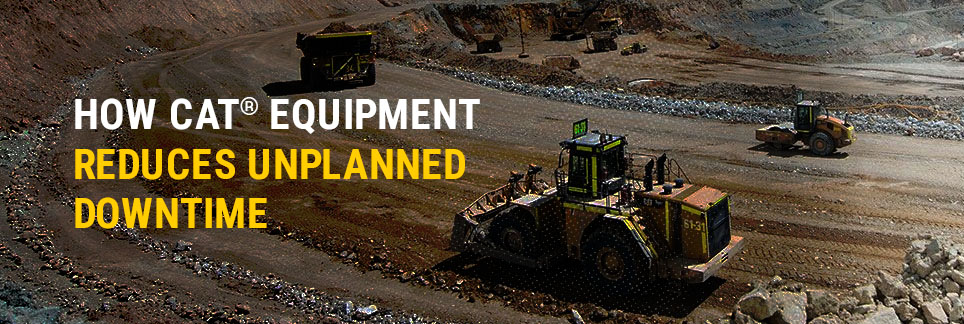
Los retrasos imprevistos detienen la producción y alteran las fases de construcción, que siguen un calendario muy ajustado. Los equipos esperan a que se realicen las reparaciones mientras los camiones permanecen parados con la carga a bordo y los supervisores revisan los planes bajo presión.
El incumplimiento de los plazos del proyecto puede acarrear sanciones contractuales. Los retrasos pueden paralizar a los equipos de excavación, hormigón o servicios públicos, que dependen de la disponibilidad de la maquinaria para que el proyecto siga adelante. Muchos falloscomienzan como un desgaste interno gradualque las inspecciones rutinarias a pie no pueden detectar.
Las máquinasCat®abordan ese riesgo mediante sistemas integrados de supervisión y prevención diseñados para la detección precoz. El seguimiento continuo del rendimiento permite identificar patrones irregulares antes de que los problemas interrumpan la producción.
Pueden producirse paradas inesperadas cuando las máquinas sufren una avería repentina o dejan de funcionar. Entre las causas posibles se encuentran las siguientes.
Los equipos de trabajo y las empresas que dependen de una producción constante en entornos exigentes eligen las máquinas Cat.
La modelización del ciclo de vida y las pruebas de validación establecen objetivos cuantificables de tiempo de actividad y normas de durabilidad claramente definidas. Cada plataforma contribuye a reducir las averías y los tiempos de inactividad gracias a sistemas integrados diseñados para ofrecer un rendimiento constante en condiciones variables en las instalaciones.
La durabilidad de los componentes comienza con el diseño de las vías de transmisión de cargas y las especificaciones de los materiales, que deben ajustarse a las exigencias de cada aplicación. La geometría estructural reduce las concentraciones de tensiones en las zonas sometidas a fuertes impactos, lo que evita fallos en los equipos y tiempos de inactividad bajo la presión de una carga de trabajo sostenida.
Los sistemas de transmisión y los circuitos hidráulicos funcionan sometidos a una carga mecánica constante durante las labores de excavación y manipulación de materiales. Los picos excesivos de par y las temperaturas elevadas del fluido ejercen una gran presión sobre los conjuntos de la cadena de transmisión y los circuitos hidráulicos. Las estrategias de protección diseñadas gestionan estos riesgos dentro de unos límites operativos definidos.
La sobrecarga repetida de material aumenta, con el tiempo, la tensión acumulada en el bastidor y los brazos de elevación. Los sistemas de protección estructural comparan el peso de la carga útil medida con la capacidad nominal y avisan a los operarios antes de que se superen los límites establecidos. La visibilidad de los datos de carga favorece unas prácticas operativas rigurosas a lo largo de ciclos de producción exigentes.
La fiabilidad eléctrica influye en el tiempo de actividad de la máquina tanto como la durabilidad mecánica. Las máquinas Cat modernas incorporan características de diseño de protección que reducen la exposición a la contaminación ambiental y limitan las interrupciones provocadas por fallos aislados del sistema. Los sistemas de control electrónico mantienen una respuesta constante de la máquina en condiciones de funcionamiento exigentes.
Los sistemas de monitorización de Cat permiten una gestión proactiva de la flota gracias a la telemática en tiempo real y al análisis predictivo. Se obtiene información sobre la ubicación de la máquina, el consumo de combustible y el rendimiento del motor. Las alertas instantáneas avisan a los operarios y responsables de cualquier problema que surja. Los datos analizados ayudan a reducir el tiempo de inactividad, controlar los gastos de mantenimiento y mejorar la productividad general.
VisionLink y Product Link ofrecen visibilidad sobre el rendimiento de la flota en todas las obras. Los datos operativos ponen de relieve los códigos de avería emergentes, las desviaciones de temperatura y los cambios en los patrones de uso. La detección temprana permite adoptar medidas correctivas oportunas antes de que los problemas menores se agraven.
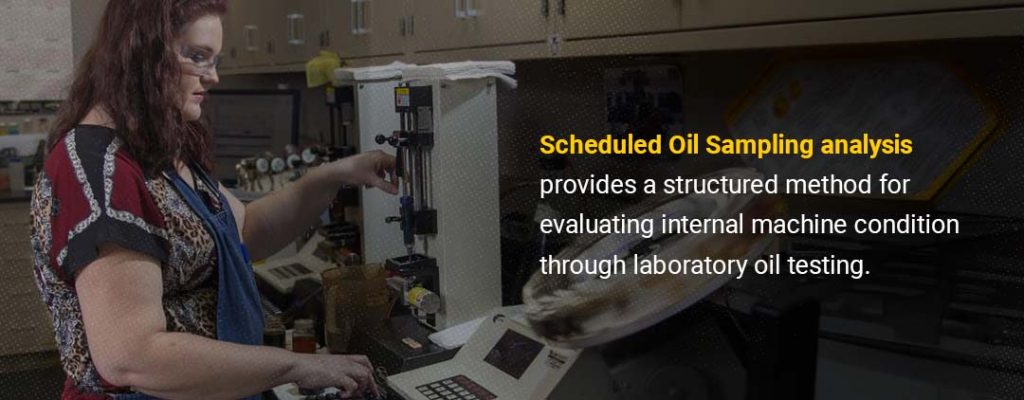
El análisis de muestreo programado de aceite ofrece un método estructurado para evaluar el estado interno de la máquina mediante análisis de aceite en laboratorio. En lugar de basarse únicamente en intervalos de horas, se obtiene información documentada sobre el estado de los componentes a partir de resultados de muestras verificados.
El mantenimiento preventivo reduce las paradas inesperadas al adaptar el calendario de mantenimiento al uso real de la máquina. Cuando los datos de uso y las inspecciones digitales marcan el calendario de mantenimiento, este se adapta mejor a las necesidades de la máquina. Una coordinación más estrecha mejora la fiabilidad del rendimiento y evita averías y tiempos de inactividad del equipo.
Un programa de mantenimiento proactivo adapta los plazos de mantenimiento a la demanda real de la máquina, en lugar de basarse en estimaciones del calendario. El Manual de funcionamiento y mantenimiento de Cat define las tareas periódicas por sistemas, especificando las horas de toma de muestras de aceite del motor y los umbrales de sustitución de los filtros hidráulicos, de modo que cada revisión refleje las condiciones de funcionamiento documentadas.
Las lecturas de los contadores, como las horas totales de funcionamiento o el consumo acumulado de combustible, activan el mantenimiento cuando una máquina alcanza unos límites cuantificables. El seguimiento coordinado de los intervalos, junto conkits de mantenimiento planificado adecuadamente adaptados, demuestra cómo los equipos Cat reducen el tiempo de inactividad no planificado gracias a un mantenimiento preciso y basado en el estado de la máquina.
Los datos precisos de Product Link permiten ajustar los plazos de mantenimiento mediante el recuento de horas, los registros de ubicación y los códigos de eventos, con el fin de iniciar las tareas de mantenimiento cuando se alcancen los umbrales definidos que reflejan la carga de trabajo real de la máquina.
Cuando las tareas preventivas se adaptan a patrones como los periodos prolongados de inactividad o las cargas pesadas sostenidas, el mantenimiento se ajusta mejor al uso real de la máquina. Aplicar de esta forma la información que proporciona la telemática muestra cómo reducir los tiempos de inactividad no planificados en la maquinaria de construcción sin recurrir a conjeturas ni a un mantenimiento basado exclusivamente en el calendario.
Los flujos de trabajo de inspección diarios garantizan la uniformidad entre las máquinas y las obras, ya que guían a los operarios a través de secuencias de inspección definidas. Anima a los operarios a seguir las listas de comprobación estandarizadas de la aplicación Cat Inspect para adelantarse a posibles problemas.
Las inspecciones completadas se transfieren directamente a VisionLink y a las plataformas de gestión conectadas, donde los resultados sirven de base para la planificación del mantenimiento. La integración de los datos de inspección con los sistemas de la flota permite que los informes sobre el estado de los vehículos sean visibles y se puedan aprovechar.
El mantenimiento preventivo determina si los equipos siguen funcionando de forma predecible o si su rendimiento se deteriora sin previo aviso. Al pasar de las reparaciones reactivas a unos intervalos de mantenimiento basados en datos operativos contrastados, se controla la progresión del desgaste y se prolonga la vida útil de los componentes, lo que estabiliza la producción y favorece el rendimiento a largo plazo en la obra.
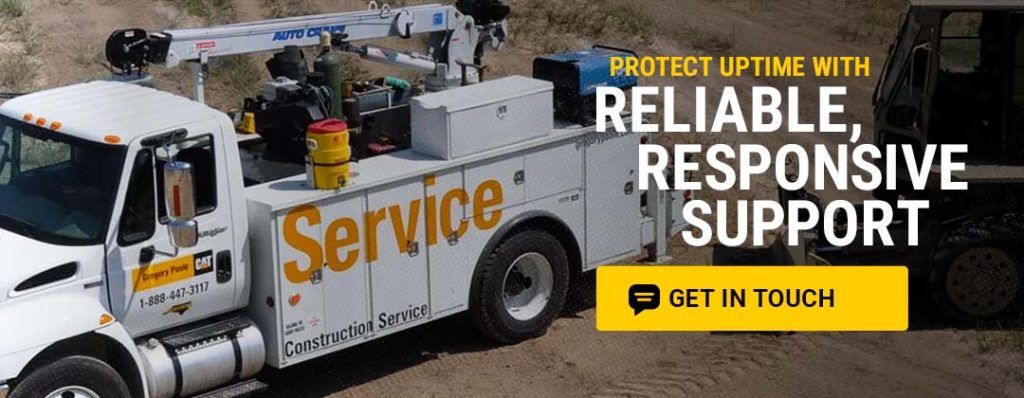
Gregory Poole Equipment Company ofrece servicios de gestión de maquinaria que combinan la tecnología Cat con el apoyo de los concesionarios para garantizar el tiempo de actividad de toda su flota.El sistema de aprovisionamiento integradoagiliza el acceso a los recambios, mientras que los equipos de servicio, siempre receptivos, dan prioridad a una rápida resolución de las reparaciones cuando las máquinas dejan de funcionar.
Ponte en contacto con nosotros hoy mismopara analizarlas opciones del Acuerdo de Valor para el Clienteque mejor se adapten a las necesidades operativas de tu flota.